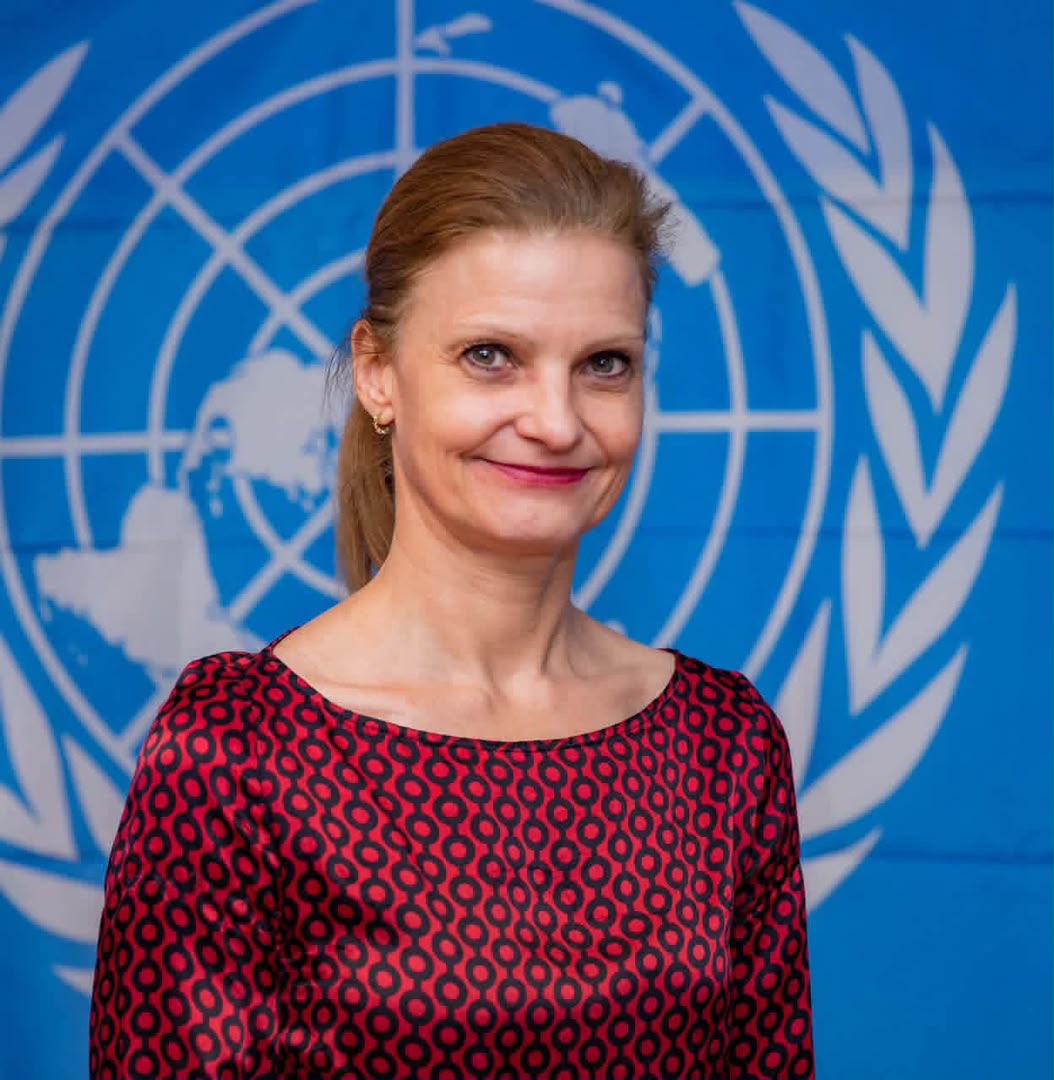
Sabine Boucher
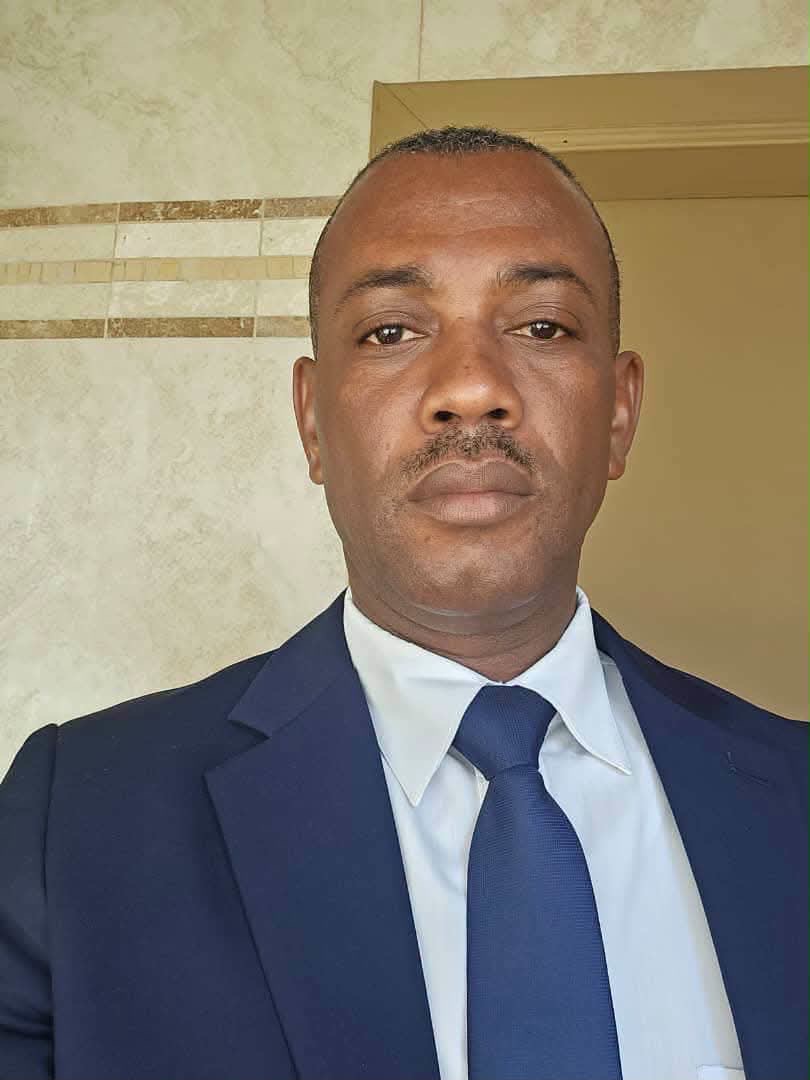
Port-au-Prince, July 25, 2026.- In an interview given to the show Panel Magik on Magik 9 on July 23, Mr Sabine Boucher, Chairman of the Technical Coordinating Commission at the Ministry of Justice and Public Security (MJSP), unveiled the national strategy for the application of the new criminal codes and criminal procedure. The Commission, composed of 11 members from the major judicial and academic institutions, is responsible for harmonizing the transition. It is based on a rigorous five-pronged strategic plan, combining institutional reorganization, training of actors on the ground, cultural outreach and direct involvement of civil society to ensure overall ownership of this historic reform.
The implementation of the new codes is expected to be a major project. To orchestrate this unprecedented transition, the MJSP has built on an inclusive approach by creating an 11-member technical coordination commission. In addition to three experts selected by the Minister, the structure includes the Director of Judicial Affairs, a representative of the Federation of Bar Associations of Haiti (FBH), two officials of the School of Judicial Affairs (EMA) and a delegate of the Supreme Council of the Judiciary (CSPJ). The Haitian National Police (HNP) is also represented to coordinate the training of aspiring and managerial staff within the PNP and ANP. The Ministries of National Education and the State University of Haiti (UEH) are expected to complete this institutional front.
In order to effectively mobilize the judicial chain and the general public, the Commission is deploying a programme structured around five basic axes. The first is based on close institutional coordination in order to prepare each entity technically for implementation. The second focuses on citizen awareness through community dialogues and public forums. This approach aims to bring to light and accept major changes, such as the historic transition from the traditional position of government commissioner to the new office of public prosecutor, a change that is already causing many doctrinal debates.
The operational core of the project is practical training, the third axis. This component includes intensive workshops for new judicial police officers (OPJ), university legal clinics offering free advice and national competitions of pleading and essay to stimulate Haitian doctrinal production. Finally, the last two axes focus on cross-cutting tools, including the publication of guides and procedural manuals for law schools, and a broad cultural communication campaign. The latter will be conducted in synergy with the Ministry of Culture to broadcast video clips and explanatory messages through traditional online media and social networks, with the active support of the press.
W.A.