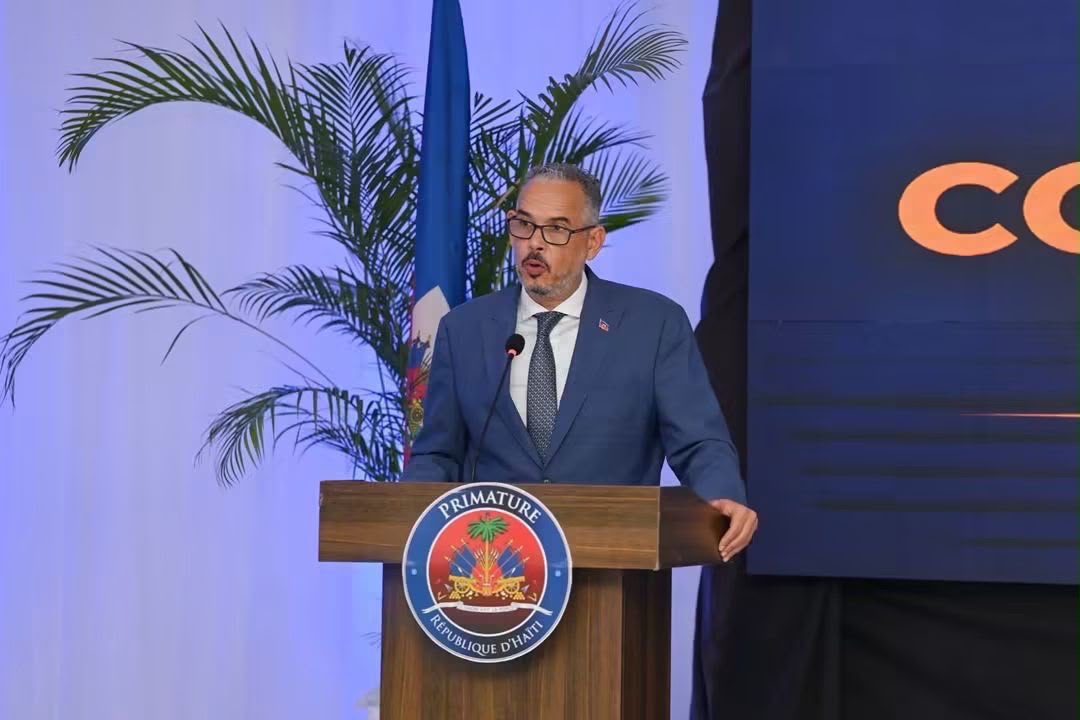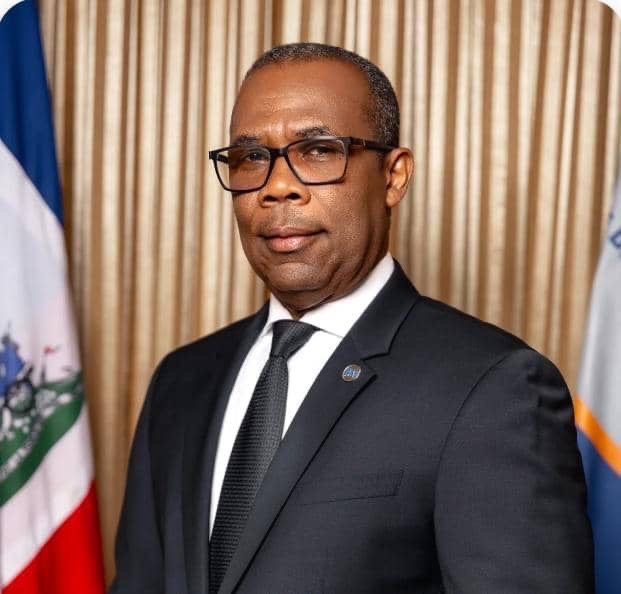
The Governor of BRH, Ronald Gabriel
Port-au-Prince, February 6, 2026.- Faced with an economy still largely dominated by cash payments, the Bank of the Republic of Haiti (BRH) shows its will to undertake a thorough modernization of payment systems. Through a new institutional platform, The Governor's Word, the central bank places the transition to electronic payments at the heart of its strategy to strengthen financial inclusion and economic transparency.
In the first edition of this forum on Thursday, February 5, BRH Governor Ronald Gabriel identifies the transformation of means of payment as a strategic project for the country's future. It believes that the low use of electronic payments hinders the flow of trade, limits access to financial services and maintains strong reliance on cash, with its economic and security risks.
The data point to the extent of the delay. In 2021, only one in four Haitian adults had a bank account or a mobile currency portfolio, according to the World Bank. The situation is even more worrying for micro, small and medium-sized enterprises, of which only 14% have access to formal banking services, according to the FinScope MSMEs Haiti 2023 survey. This fact restricts access to credit and weakens the traceability of transactions.
To reverse the trend, BRH asserts that it is strengthening its role as regulator of payment infrastructures. The institution is working to create a regulatory framework that encourages innovation while ensuring the security of the financial system. In particular, the aim is to facilitate the entry of new players, in particular FinTechs, without compromising macro-financial stability.
Among the advances highlighted are the rise of the Haitian Interbank Payment System (SPIH), whose monthly transactions were multiplied by more than eight in US dollars between 2018-2019 and 2021-2022. The National Payment Processor (PRONAP) and Circular 121, which oversees electronic payment services, are added to this. Through these reforms, HRB intends to make digital payments a central lever for financial inclusion and economic development, despite a binding national context.
W.A.