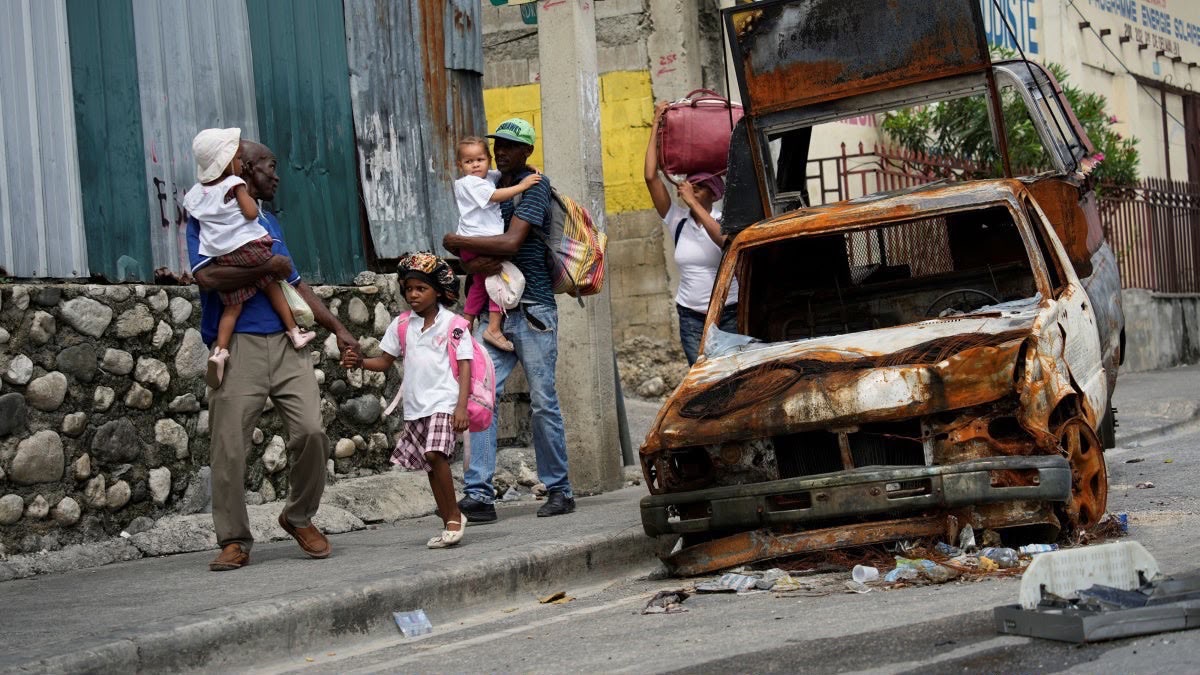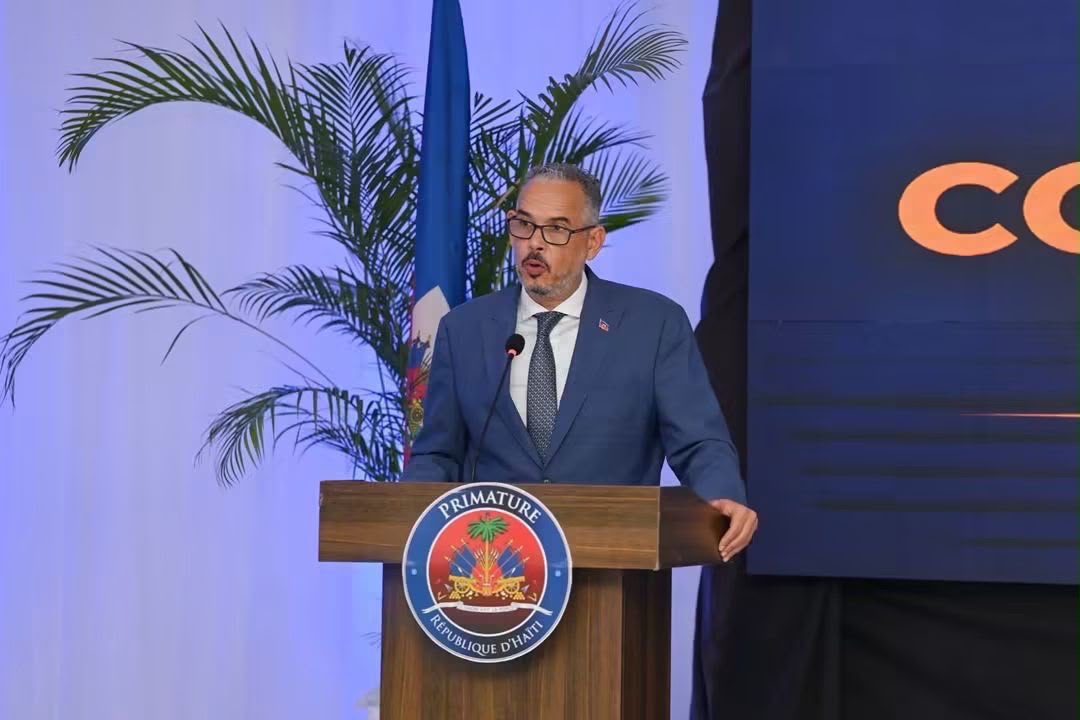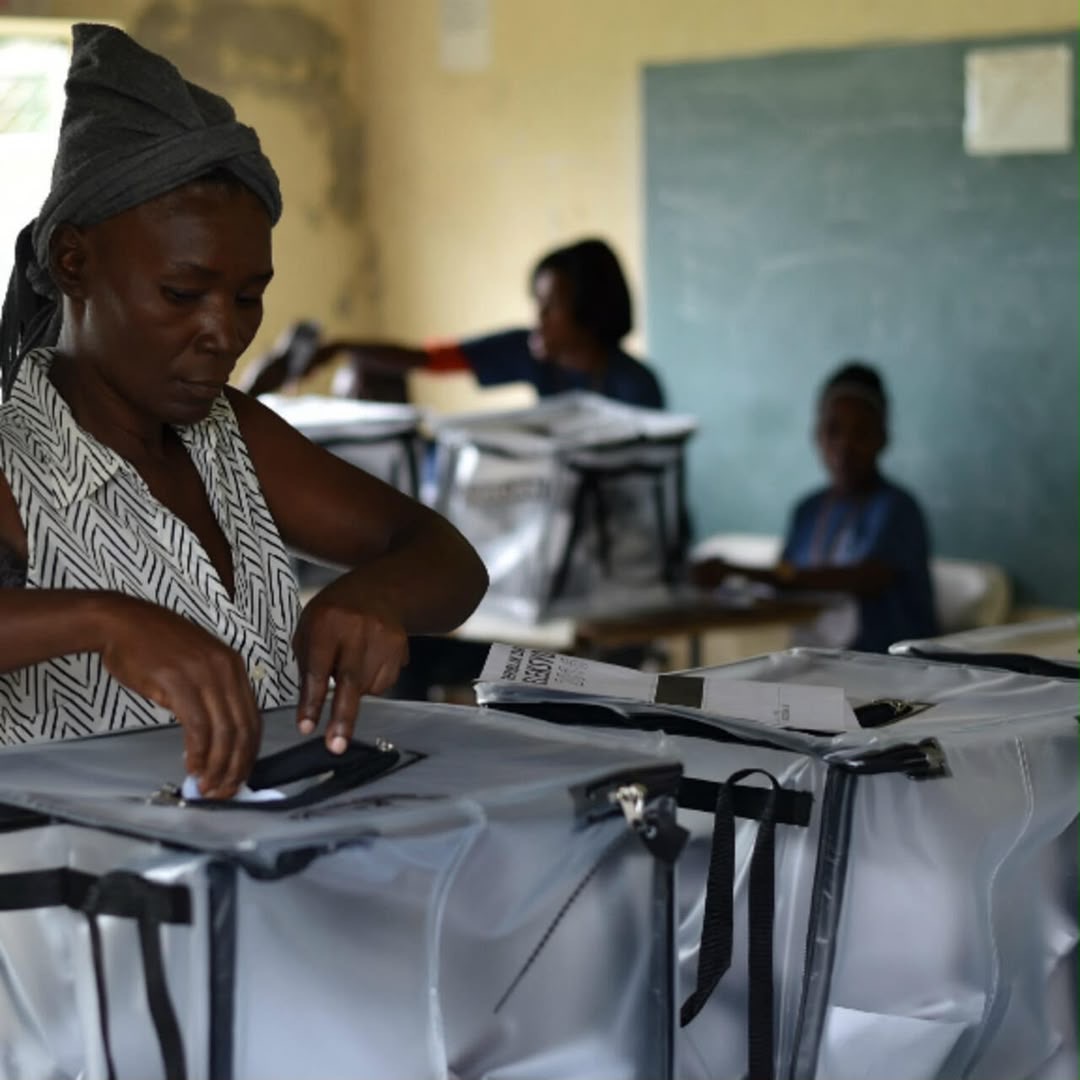
Pétion-Ville, August 19, 2026.- After a decade marked by political, security and economic crises, Haiti is preparing to hold its first general elections. Prime Minister Alix Didier Fils-Aimé presents this election as an opportunity to renew the political class and foster the emergence of a new generation of leaders.
According to an article published in the Miami Herald on 18 August, Alix Didier Fils-Aimé believes that gang violence, massive population displacement and deteriorating living conditions have led to awareness, especially among young people. He says he wants to translate this dynamic into the arrival of younger officials in the administration.
But this hope comes up against the deep weaknesses of the Haitian political system. The electoral calendar, the organization of elections and the registration of voters are already the subject of many criticisms. Some political actors also doubt the government's ability to ensure a truly impartial process, particularly because of the links between some government officials and political groupings in preparation, says the Florida newspaper.
The country is about to turn a page after eight years without a functional parliament and five years without an elected president, since the assassination of Jovenel Moïse in July 2021. Elections could bring new faces, but their youth or education alone do not guarantee a change in political practices.
According to sociologist Géraldo Saint-Armand, reported by Miami Herald, generational renewal is not enough to produce better leaders. The real challenge will therefore be whether this new generation is able to break with old practices and propose a different governance.
In addition to the holding of the election, the central question remains that of real political change: will Haiti manage to transform its electoral renewal into a real break with its political past?
W.E.