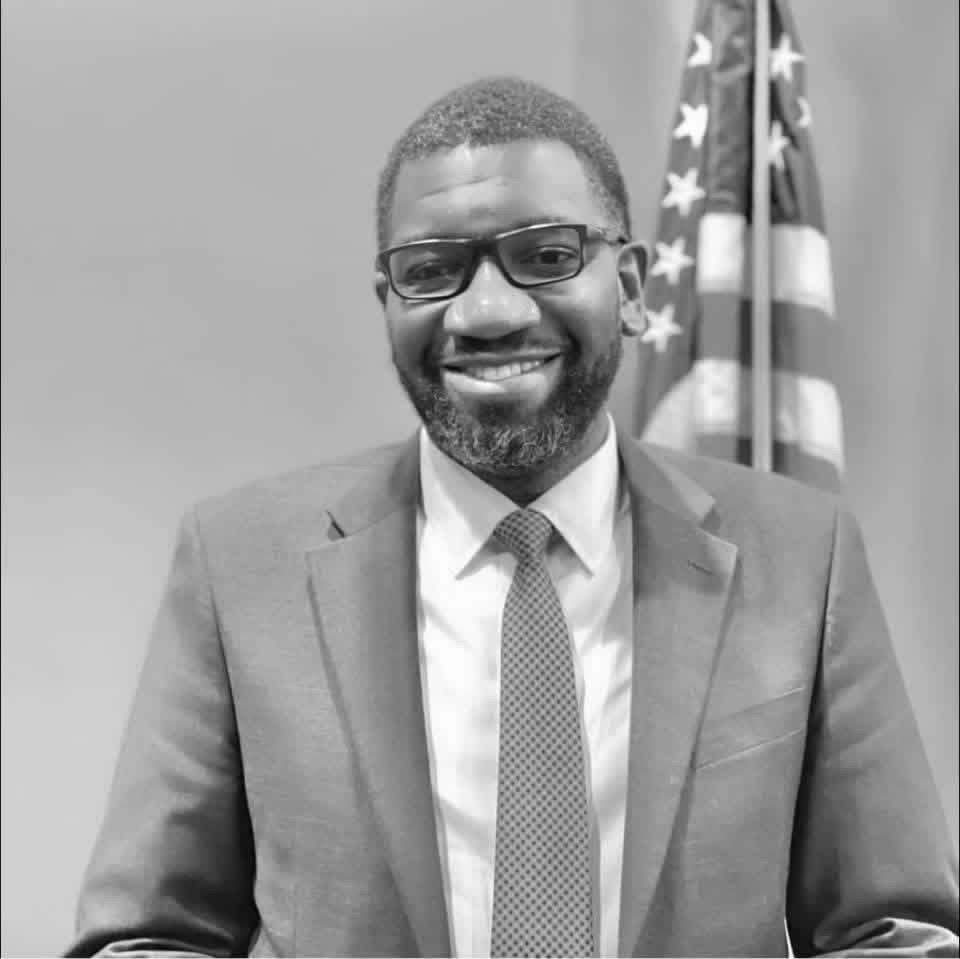
Mr. Strandley Denis Julien
Washington, March 17, 2026.- Invited to the show Panel Magik on Magik 9 Tuesday, March 17, 2026, lawyer Frandley Denis Julien strongly criticized the US government's position on the Temporary Protection Status (TPS) file. It considers that the urgent argument put forward to end the programme is unfounded, legally fragile and potentially tainted by discriminatory considerations. The Supreme Court decision could have major consequences for thousands of beneficiaries, including Haitians.
Une «urgence » contestée
According to Denis Julien, the US government abused the urgent argument to justify certain GST-related decisions. He argues that no concrete facts demonstrate an immediate danger requiring such drastic measures.
« L’argument selon lequel il y aurait un dommage irréparable si les bénéficiaires ne sont pas immédiatement expulsés n’a pas convaincu « , a-t-il expliqué, rappelant que certaines situations similaires n’ont jamais justifié une telle précipitation.
A procedurally focused legal battle
Counsel points out that the core of the dispute is not only the decision to terminate the GST, but above all the process used by the U.S. administration.
He argues that:
- the government failed to comply with the required administrative procedures;
- the decision was not sufficiently motivated by an independent and country-specific analysis;
- The lower courts were seized to challenge this procedural irregularity.
Supreme Court faced with credibility challenge
For Denis Julien, the case goes beyond the mere migration framework and touches on the very credibility of the US Supreme Court.
There are two main options:
- Confirm lower court decisions and maintain the GST;
- Ou valider la position du gouvernement, au risque de cautionner une démarche jugée «non compétitive » sur le plan juridique.
He even referred to precedents where judges had refused to follow government arguments deemed too weak.
A possible constitutional and discriminatory dimension
Among the arguments put forward, Denis Julien puts forward a major constitutional question:
- The 13 countries affected by the end of the GST would be mostly non-white;
- This situation could reveal a discriminatory bias in the government decision.
He recalled that the GST had been conceived as a humanitarian and foreign policy instrument to protect nationals of countries in crisis.
The case of Haiti at the heart of concerns
Regarding Haiti, the lawyer insists on the gap between the reality of the country and the arguments put forward to end the GST.
In particular, it highlights:
- A continuing security and humanitarian crisis;
- High rate of internally displaced persons;
- The lack of evidence to demonstrate a significant improvement in the situation.
According to him, these elements further weaken the position of the US administration.
A case with high political stakes
Enfin, Me Denis Julien évoque des considérations politiques plus larges, notamment liées à des orientations stratégiques comme le «Project 2025″, qui viserait à restreindre l’usage du TPS à l’avenir.
He warned that even in the event of a victory in court, the program could be challenged by subsequent political decisions.
The intervention of Mr.Frandley Denis Julien highlights a complex issue where administrative law, constitutional issues and political considerations intertwine. The Supreme Court decision will be decisive not only for GST recipients, but also for the future of this legal tool.
W.A.