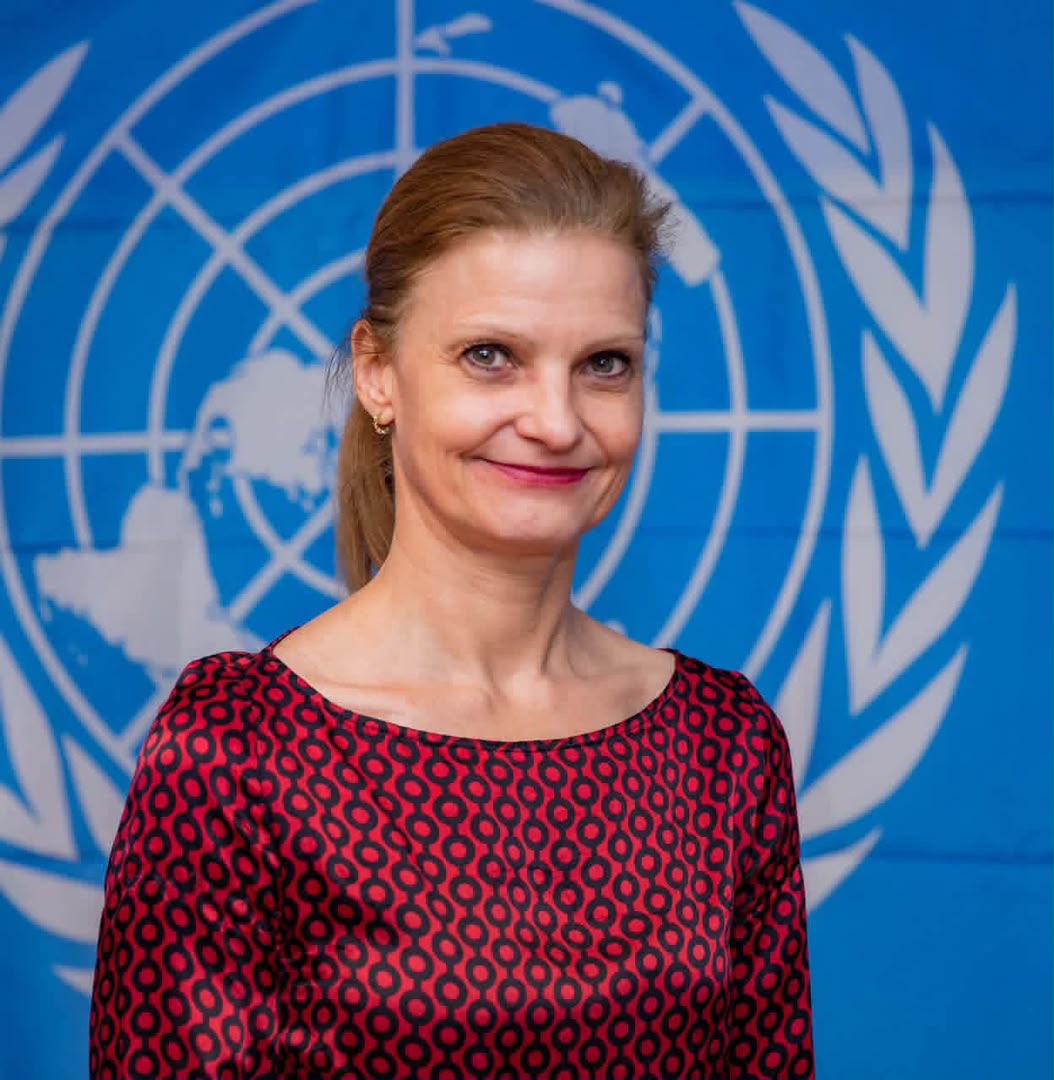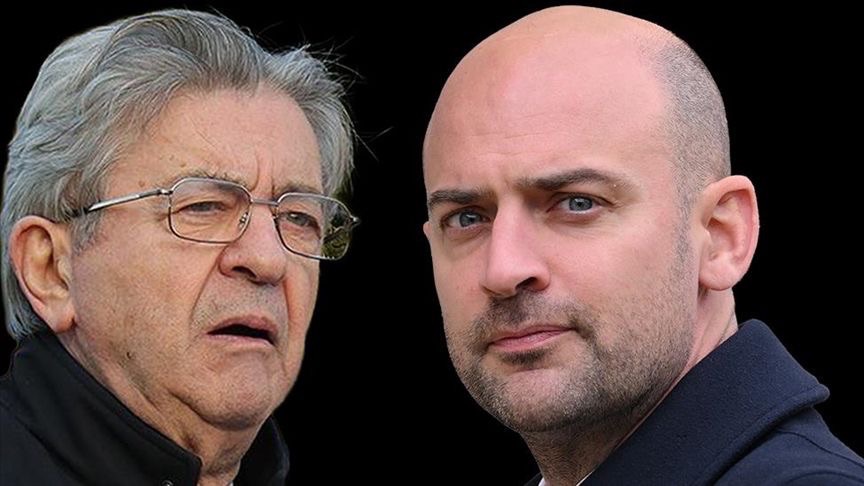
Paris, January 21, 2026.- Invited on the plateau of Caroline Roux to discuss the international geopolitical situation, Jean-Noël Barrot, Minister for Europe and Foreign Affairs, and Jean-Luc Mélenchon, leader of the unsuspecting France, delivered two contrasting but converging readings on a key point: the world is entering a breaking phase. Between firmness in the face of American pressure, the defence of European sovereignty and the call for non-alignment, the issues of peace, security and international order were at the heart of the discussions.
Jean-Noël Barrot a réaffirmé avec force la position de la France sur la scène internationale : Paris ne cède à aucun chantage et n’en cédera jamais. Tout en rappelant l’alliance historique avec les États-Unis et la reconnaissance du sacrifice américain lors de la Seconde Guerre mondiale, le chef de la diplomatie française a insisté sur une souveraineté qu’il juge « indivisible « , tant pour la France que pour les autres nations.
However, the minister has drawn clear red lines: refusal to challenge the European territorial integrity protected by NATO, opposition to sanctions against European officials, rejection of trade pressure and blackmail at customs duties. While supporting the peace plan presented by the US President, Jean-Noël Barrot rejected any initiative to create an international structure to replace the United Nations. In this context, France supports the suspension of the trade agreement with the United States decided by the European Parliament and expresses its readiness to respond to any form of coercion.
For his part, Jean-Luc Mélenchon provided a more radical analysis of the current historical moment. According to him, Donald Trump's repeated threats and the disruption of the Atlantic system open a window of opportunity for the independence and non-alignment of European nations. He welcomed the suspension of the EU-Mercosur agreement as a major victory for food sovereignty, attributed in particular to the action of the Group of France instigated by the European Parliament.
Opposé à toute escalade militaire, le leader insoumis a mis en garde contre la « loi du plus fort « , qu’il associe au risque de guerre nucléaire. Il plaide pour une solution politique au conflit russo-ukrainien fondée sur des garanties de sécurité mutuelles et des consultations démocratiques des populations concernées. Pour Jean-Luc Mélenchon, la crise actuelle marque « la fin d’un monde » et doit permettre à la France de devenir une avant-garde du non-alignement, face à des projets qu’il juge dangereux, notamment l’idée d’un « conseil pour la paix » susceptible de marginaliser l’ONU.
W.A.