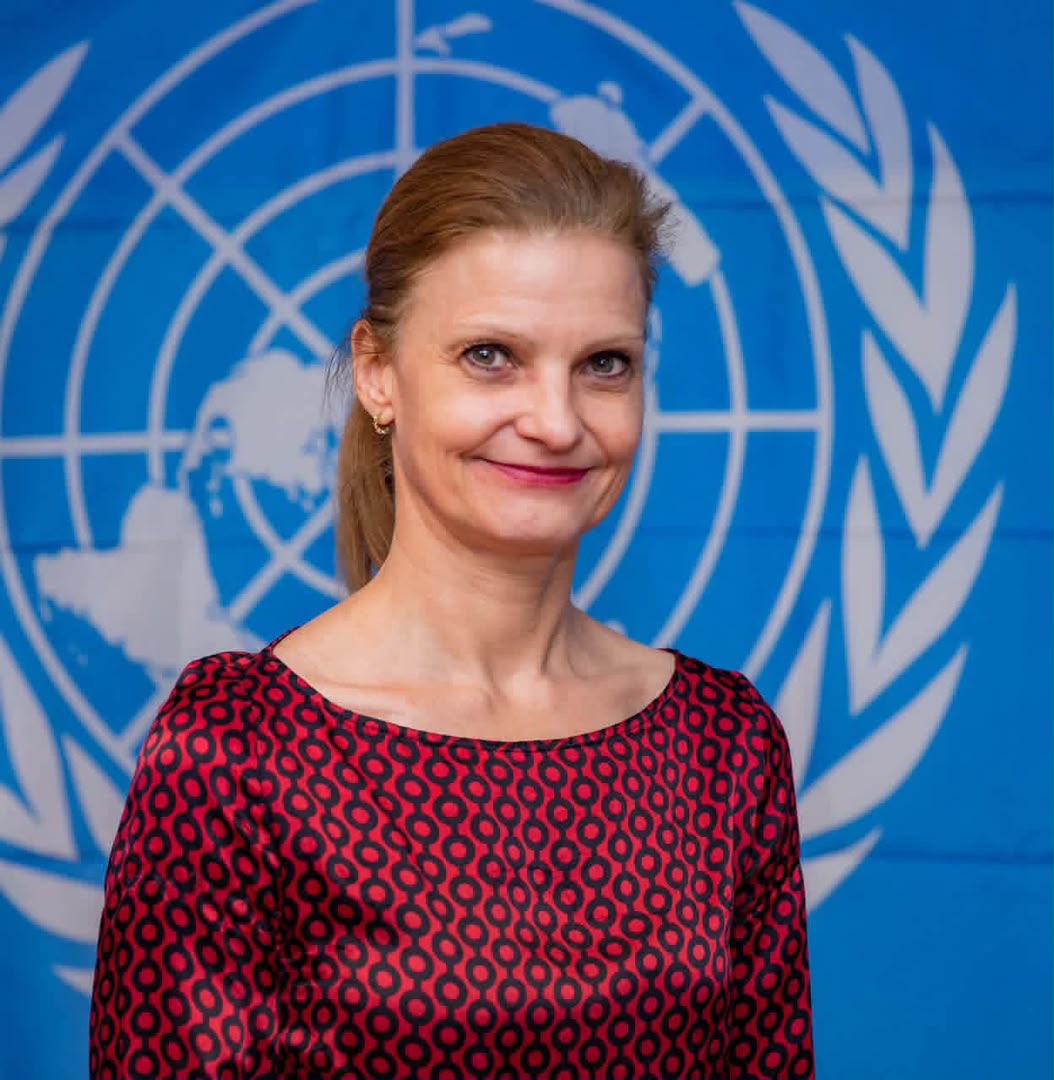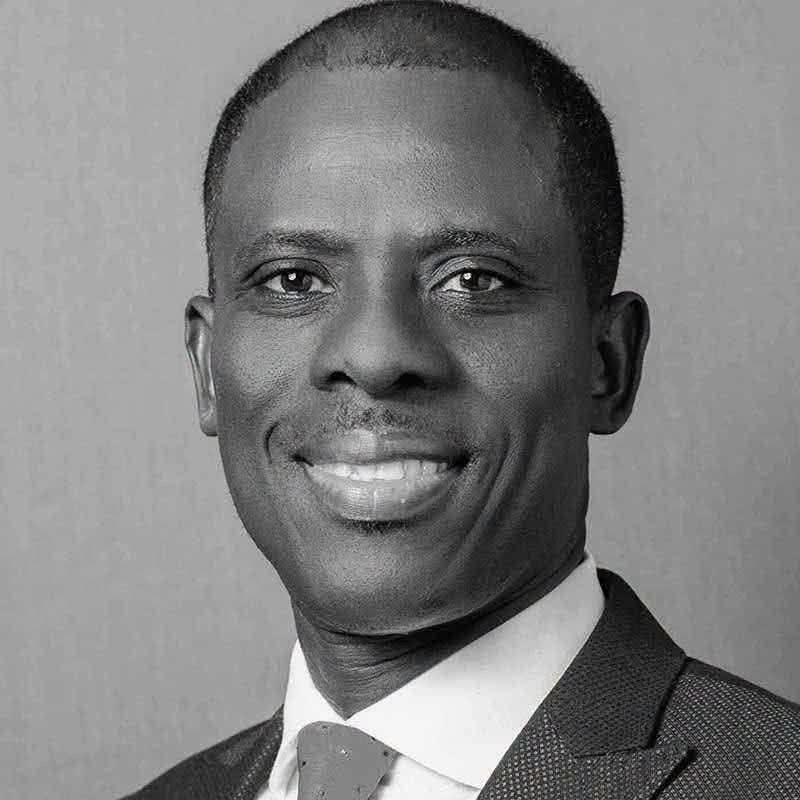
Jean Marie Altema
Port-au-Prince, August 9, 2026.- The digital technology expert Jean Marie Altema calls not to reduce to social networks the case of a young TikTokeuse arrested by the DCPJ for his alleged links with gangs. Speaking Saturday, August 8th on Magik 9, he explained that this case must above all prompt the authorities to question the increasing use of digital platforms by criminal organisations to develop their influence, attract young people and facilitate certain interactions.
In his analysis published in Le Nouvelliste on 5 August, Altema estimates that organized crime is going beyond the control of physical territories to also invest digital space. Social networks, especially TikTok, can thus become areas of visibility, communication and influence exploited by different actors.
The expert invites, however, to avoid hasty conclusions concerning the persons arrested. For him, a court case must be dealt with on the basis of facts and evidence. The issue therefore goes beyond the identification of a person visible on social networks. It is necessary to understand the possible connections between content creators, intermediaries, criminal organisations and financial channels.
According to Altema, this evolution poses an important challenge to Haitian institutions. The answer cannot be based solely on police operations. It must also integrate digital intelligence, monitoring financial flows, inter-institutional cooperation and prevention among young people.
It also highlights the vulnerability of part of Haitian youth, faced with unemployment, lack of opportunities and insecurity. In this context, the search for income, visibility or recognition may make some young people more exposed to influence or manipulation strategies.
For the former Director General of CONATEL, Haiti must therefore strengthen its digital capabilities and adapt its anti-crime mechanisms to changing technologies. His analysis follows his path in the areas of digital strategy, information technology governance and cybersecurity.
Beyond the case that sparked the debate, Jean Marie Altema thus raises a central question: do Haitian institutions today have the skills, tools and coordination necessary to understand and combat a crime that is now seeking to exert its influence both in digital spaces and on the ground?
W.A.