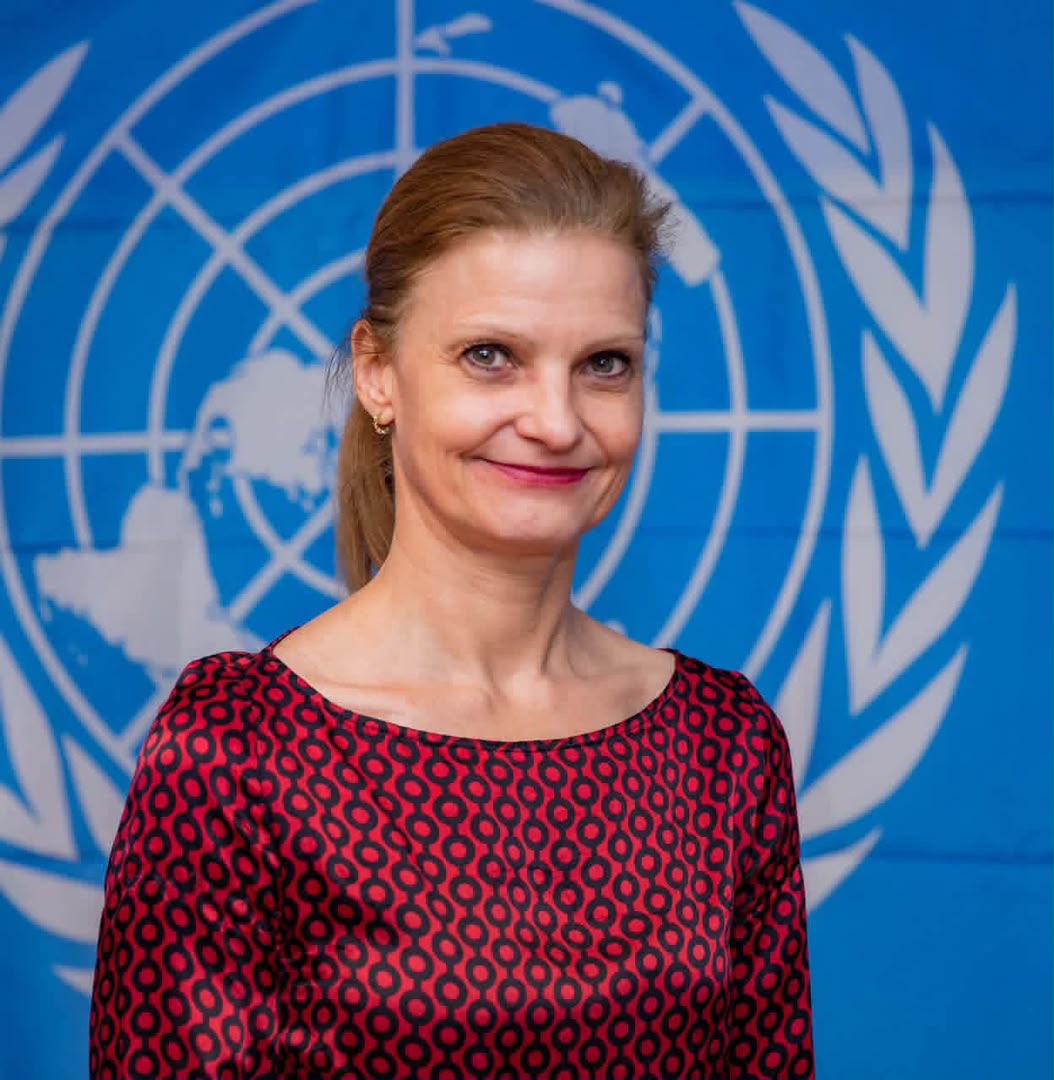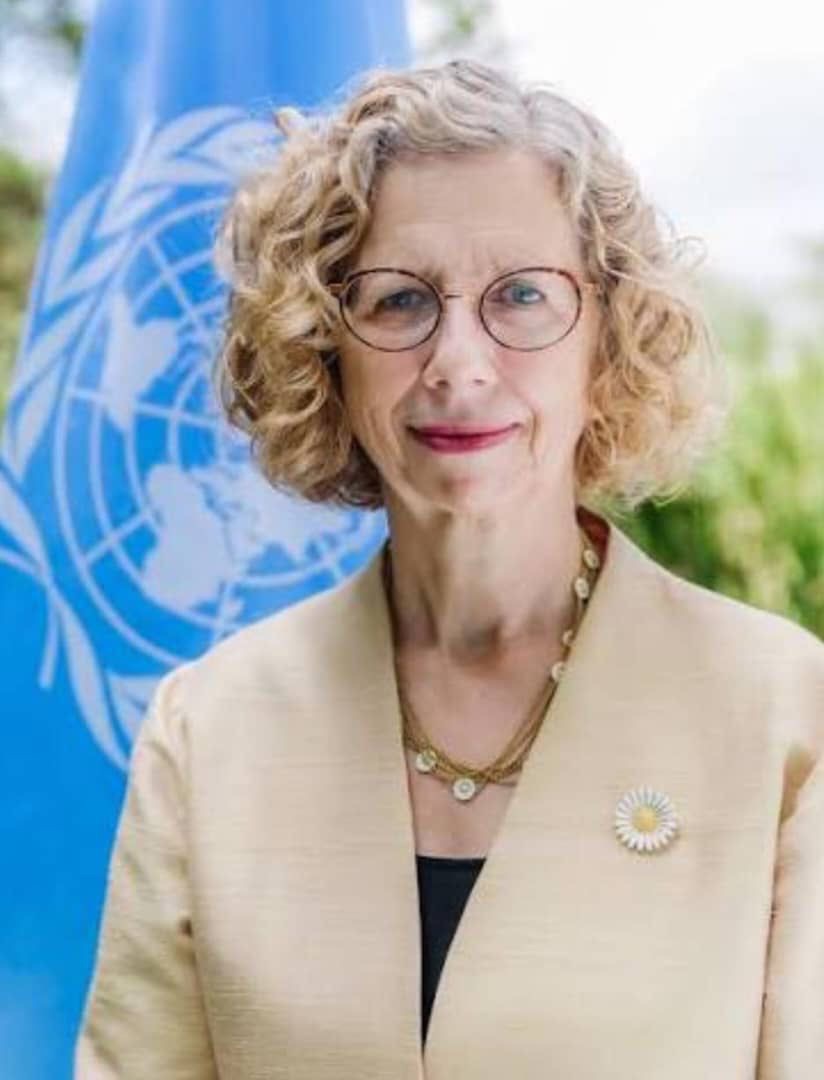
UNEP Executive Director, Inger Andersen•©️photo : UN
Nairobi, 26 February 2026.- In its annual report 2025, the United Nations Environment Programme (UNEP) highlights the central role of environmental multilateralism in addressing climate and environmental crises. On Thursday 26 February, its Executive Director, Inger Andersen, however, called on Member States to ensure stable funding in order to preserve the UN agency's ability to act.
Despite an international context marked by geopolitical tensions and fluctuating national priorities, UNEP believes that 2025 has confirmed the strength of environmental multilateralism. The seventh session of the United Nations Environment Assembly (UNEA-7), held in Nairobi, reaffirmed the organisation's mandate through the adoption of 11 resolutions and three major decisions, including on energy transition, sustainable management of critical minerals, protection of coral reefs, combating glacier melting and forest fires, and responsible use of artificial intelligence.
UNEP also contributed to the creation of a new intergovernmental scientific panel on chemicals, waste and pollution, complementing the global architecture of scientific expertise alongside climate and biodiversity. The Agency supported the implementation of the Paris Agreement and the Kunming-Montréal Global Biodiversity Framework, while supporting the ratification of the agreement on marine biodiversity on the high seas.
Its scientific reports, including on the emission gap and the future of the global environment, have provided a solid basis for policy makers to guide their public policies. On the ground, UNEP has strengthened support to vulnerable communities facing natural disasters and the environmental impacts of conflict.
However, the organization faces increasing financial constraints. Its budget has tightened and staff departures have affected its operational capabilities, even as Member States' expectations increase. The Environment Fund, a financial pillar of UNEP, remains essential to ensure independent scientific action and a rapid response to emerging environmental challenges. In 2025, more than 100 Member States contributed, a record number having paid their full share.
For Inger Andersen, the environment is the foundation of peace, prosperity and global stability. It thus called on States to fully honour their financial commitments to enable UNEP to transform political decisions into concrete and sustainable results.
W.A.