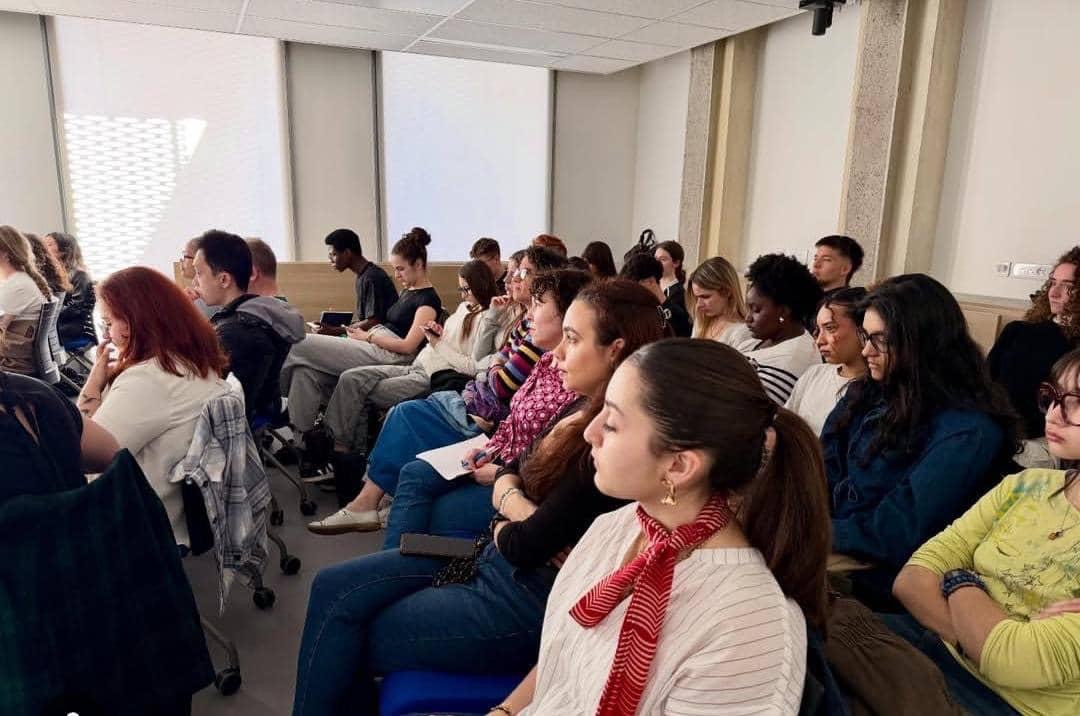
France, le 20 mars 2026.- Du 17 au 19 mars 2026, l’Université Clermont Auvergne a accueilli à Clermont-Ferrand les « Carrefours de la Francophonie « , un rendez-vous international majeur consacré aux transformations des langues, des savoirs et de la gouvernance universitaire à l’ère de l’intelligence artificielle. Chercheurs, responsables institutionnels et experts venus d’Afrique, d’Europe, d’Amérique latine et d’Haïti ont débattu des enjeux de souveraineté numérique, de coopération scientifique et de reconfiguration des rapports de pouvoir à l’échelle globale.
Dans le cadre de la Semaine de la Francophonie, cette édition 2026 des « Carrefours de la Francophonie » s’est imposée comme une plateforme de réflexion stratégique sur les mutations profondes qui traversent aujourd’hui l’enseignement supérieur et la production des savoirs. Organisé autour du thème « Langues et pouvoirs à l’ère numérique « , l’événement a mis en évidence le rôle croissant de l’intelligence artificielle dans la redéfinition des équilibres académiques, linguistiques et géopolitiques.
Three days of exchanges between training, research and public debate
The activities began on Tuesday 17 March at the Carnot site with training for students from Clermont Auvergne University. Two intensive sessions were moderated by Patrick Attie and Tayana Picard, both of whom came from the Higher School of Infotronics of Haiti. Participants explored artificial intelligence tools, their practical uses, and methodologies adapted to educational research and innovation. Emphasis was placed on the integration of these technologies in educational contexts with limited resources, particularly in Haiti.
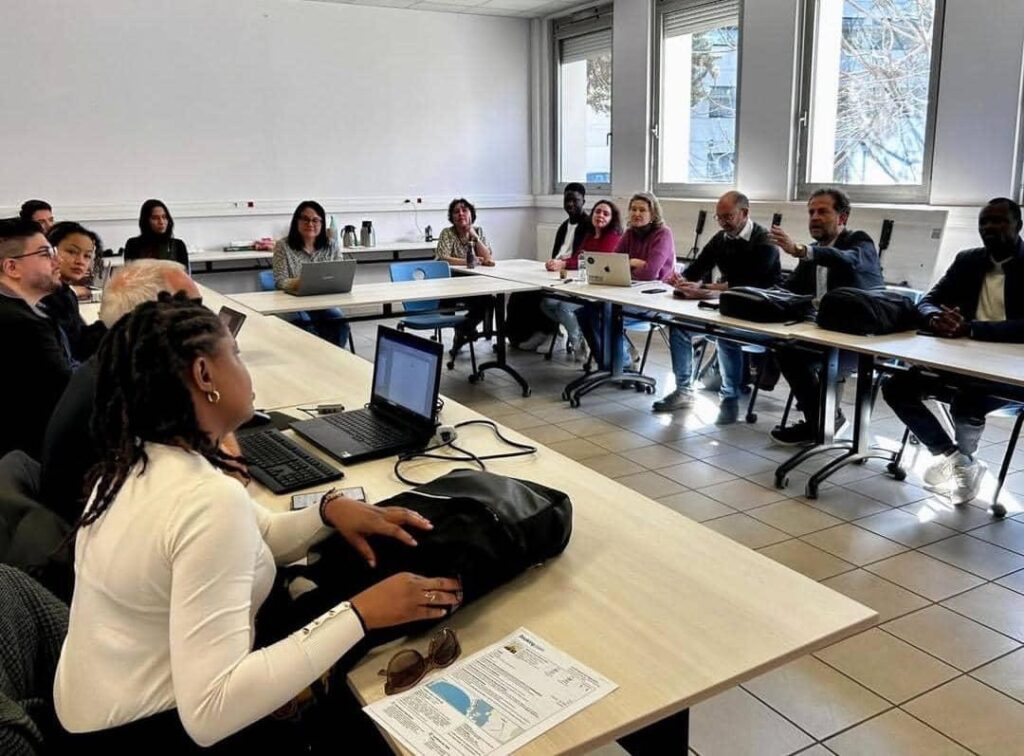
Le mercredi 18 mars, un atelier pratique ouvert au public s’est tenu à la Maison des Sciences de l’Homme de Clermont-Ferrand. Axé sur « Intelligence artificielle et plurilinguisme : limites et défis « , cet espace d’échange a permis d’aborder les biais linguistiques des systèmes d’IA et les risques de marginalisation des langues moins représentées. Aux côtés de Patrick Attié, les discussions ont été enrichies par les contributions de Michaël Grégoire (Laboratoire de Recherche sur le Langage) et Aurelia Vasile, soulignant la nécessité d’une approche inclusive dans le développement technologique.
19 March: debates at the heart of global issues
The highlight of the event took place on Thursday 19 March at the KAP Learning Centre with two major international conferences broadcast online.
La première, intitulée « Universités à l’ère numérique : gouvernance, savoirs et coopération « , a réuni des figures institutionnelles de premier plan. Vijonet Demero, en tant que ministre de l’Éducation nationale d’Haïti, a insisté sur les défis structurels auxquels font face les universités haïtiennes, notamment en matière d’accès aux technologies et de formation des ressources humaines. Il a plaidé pour une coopération renforcée au sein de l’espace francophone afin de réduire les inégalités numériques.
Along with him, Alioune Badara Kandji, Rector of the Sheikh Anta Diop University in Dakar and Chairman of the Board of Directors of the Agence universitaire de la Francophonie, highlighted the structuring role of Francophone university networks in the flow of knowledge and the strengthening of academic capacities in the South. He stressed the importance of university governance adapted to digital change.
The third speaker, Eric Adja, President of the Agence francophone de l'intelligence artificiale, addressed the regulatory and ethical issues of AI in the French-speaking area. He referred in particular to the need to develop sovereign technological infrastructures and normative frameworks specific to the realities of French-speaking countries.
The conference was moderated by Marc-Alexis Roquejoffre, an information and communication specialist, who directed the exchanges towards the concrete perspectives of university cooperation.
Artificial intelligence and recomposition of global power
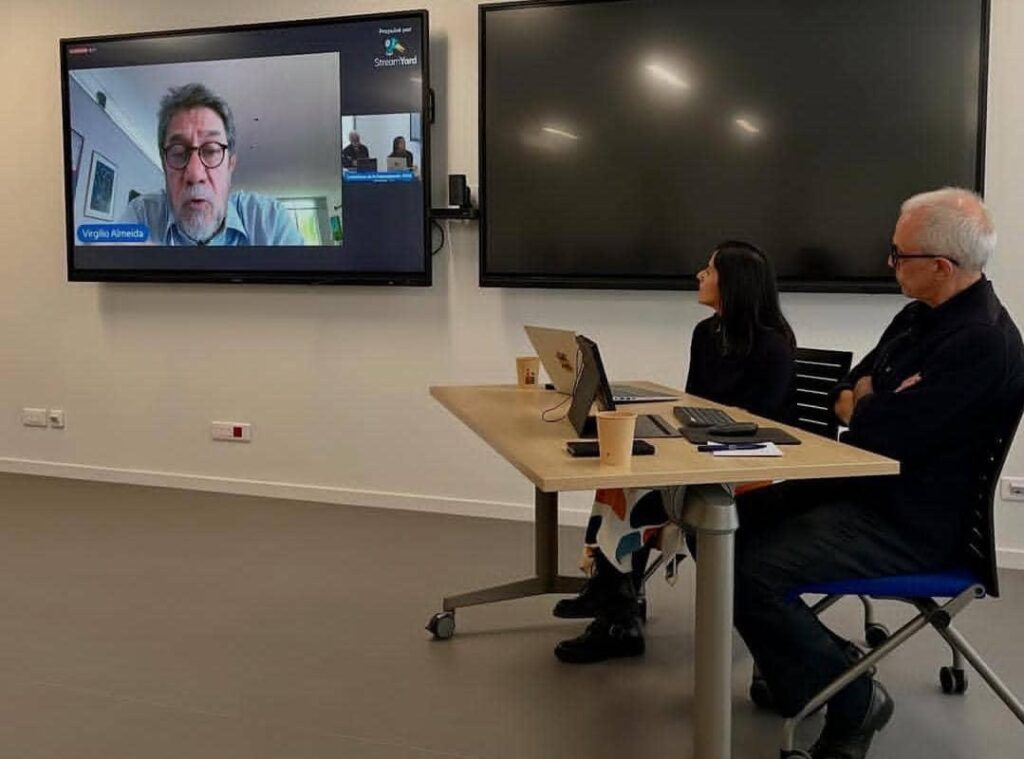
La seconde conférence, tenue en anglais, s’est concentrée sur « Algorithms, Artificial Intelligence and the Reconfiguration of Global Power « . Elle a réuni des experts internationaux issus de différents continents.
Virgílio Almeida, professor at the Universidade Federal de Minas Gerais, is recognized for her work on Internet governance and public digital policies. He analysed the growing influence of major technology platforms in structuring global power.
Along with him, Lars Leer of the Western Norway University of Applied Sciences brought a European perspective on innovation policies and regulation of emerging technologies.
Finally, Patrick Attie represented Haiti by highlighting the specific challenges facing developing countries in the face of AI, particularly in terms of infrastructure, training and access to data.
Moderation was provided by Thaís Pinheiro Correa and Guilherme Adorno, members of CELIS, who facilitated interdisciplinary dialogue between the speakers.
A strategic reflection for the future of La Francophonie
Through these three days, the « Carrefours de la Francophonie 2026 » have highlighted an inescapable reality: artificial intelligence redefines not only academic practices, but also power relations between states, institutions and languages.
The event also highlighted the urgency for French-speaking countries, especially those in the South such as Haiti, to appropriate these technologies to avoid further marginalization in the global knowledge economy. The issue of digital sovereignty, linguistic diversity and scientific cooperation is now central to public policy.
By bringing together key players in the academic and institutional world, Clermont Auvergne University confirms its role as an intellectual hub within the French-speaking space, at a pivotal moment when digital re-designs the contours of knowledge and power.

W.A.