©️photo : ULCC
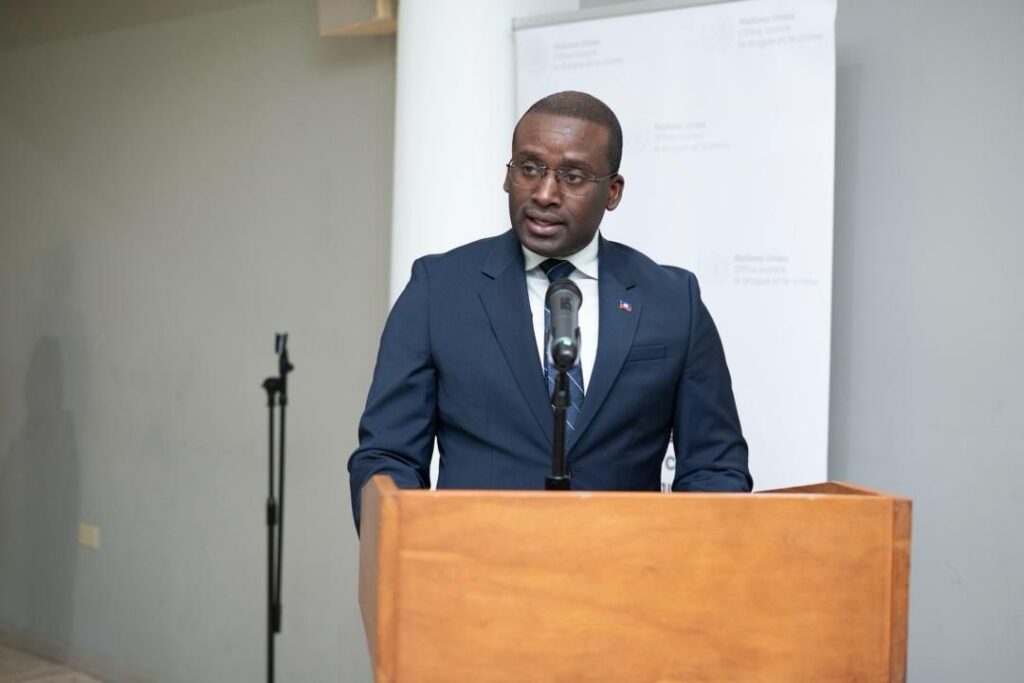
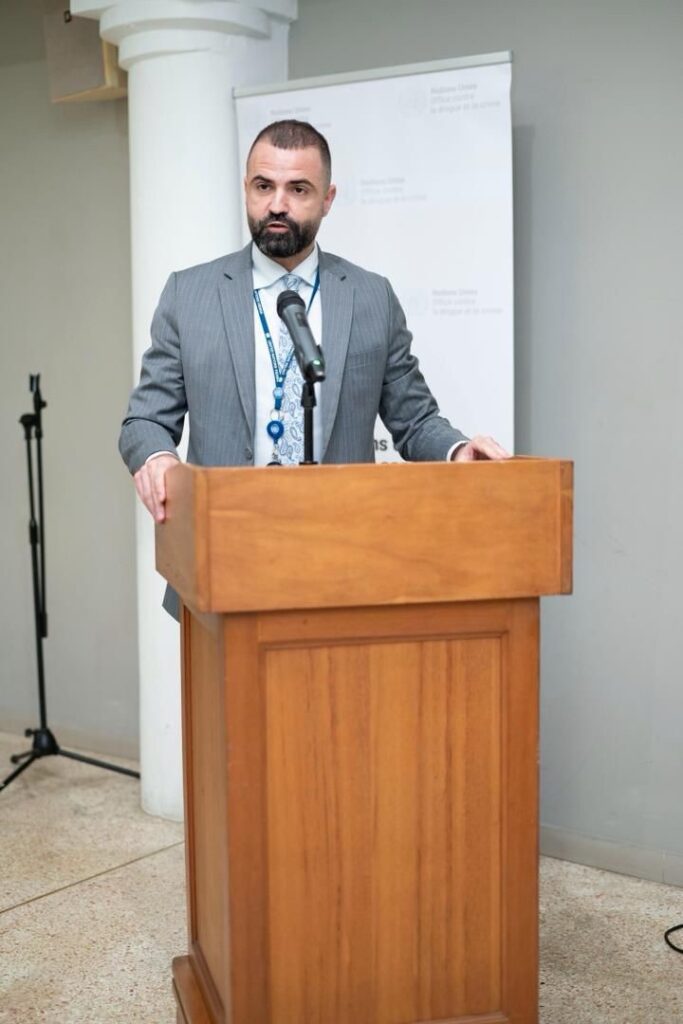
Port-au-Prince, April 1, 2026.- Haiti, ranked among the countries most affected by corruption, strengthens its training for key players in the criminal chain with the support of UNODC (United Nations Office on Drugs and Crime). The aim is to improve the quality of investigations and enhance the credibility of prosecutions in a system still largely characterized by impunity. On Wednesday, 1 April, the Director of the Anti-Corruption Unit (ULCC), Hans Jacques Ludwig Joseph announced the launch of the workshop, stressing the need to professionalize investigators to effectively protect public probity.
A workshop focused on « effective and ethical interviews » was organized for Anti-Corruption Task Force officers, prosecutors and executives of the Superior Court of Auditors and Administrative Litigation. It aims to train investigators in modern information-gathering techniques, in accordance with international standards, in order to produce solid and admissible cases before the courts. This approach addresses structural shortcomings that hinder the effectiveness of surveys.
Led by the ULCC, this dynamic is part of a broader strategy for the professionalization of anti-corruption. The institution claims to continue its efforts to identify and bring to justice the perpetrators of acts against public probity. However, despite the increase in investigations and the transfer of several cases to the courts, the results in terms of convictions remain limited, raising questions about the real effectiveness of the system.
In addition, international indicators are a matter of concern. According to data published in 2025 by Transparency International, Haiti is ranked among the most corrupt countries in the world, with a score of 16 out of 100 at the Corruption Perception Index. This position reflects not only the magnitude of the phenomenon, but also the continuing inability of institutions to punish illegal practices. Impunity, fuelled by weak judicial systems, political instability and the influence of criminal networks, remains one of the main obstacles to sustainable reform.
The training efforts undertaken represent a significant step forward in the professionalization of judicial actors. However, they alone are not enough to reverse the current trend. A strong political will, a real strengthening of judicial independence and effective enforcement of sanctions appear to be essential to change the fight against corruption in Haiti. In this perspective, the consolidation of the entire criminal chain is an essential condition for breaking with the cycle of impunity.

R.J.