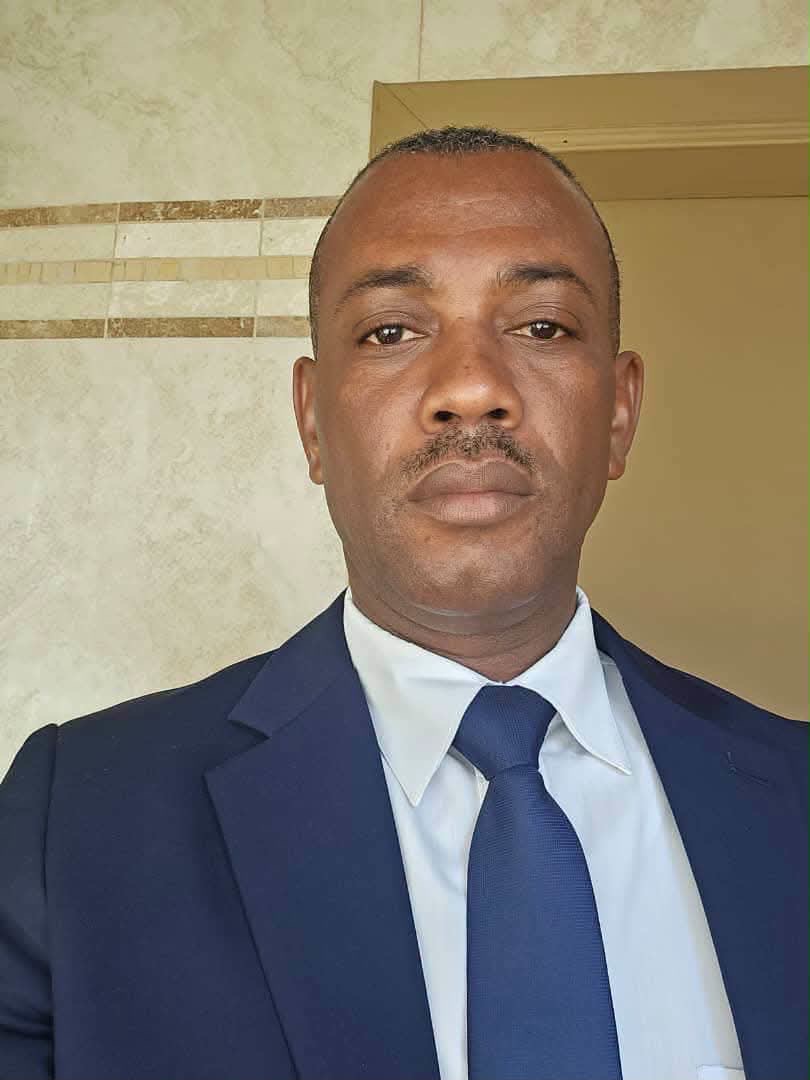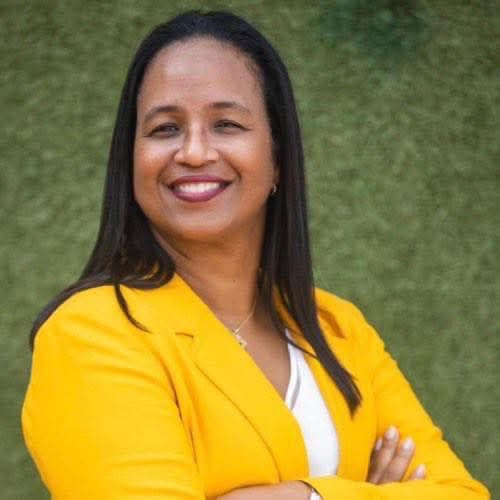
CCIO President and Vice-President of ADIH, Ms Martine L. Cuvilly
Port-au-Prince, January 28, 2026.- Speaker this Wednesday, January 28 on Radio Magik 9, the President of the Chamber of Commerce and Industry of the West (CCIO) and Vice-President of the Association of Industries of Haiti (ADIH), Mrs Martine L. Cuvilly stressed the urgency of a better match between training and employment in Haiti. On the occasion of the announcement of a round table on skills and the future, she called for a sustainable co-construction between universities, training centres and the private sector to respond to the country's economic and demographic realities.
During her radio intervention, Ms. Martine L. Cuvilly highlighted a persistent imbalance between population growth and employment opportunities available in Haiti. In her view, the central challenge lies not only in access to education, but above all in the quality and relevance of the skills transmitted to the real needs of the labour market.
She stressed the importance of developing key capabilities such as analysis, professional credibility, problem solving and adaptation to complex environments. « We must be able to identify a problem, analyse it and propose concrete solutions. « she explained, stressing that these skills remain insufficiently valued in the current training pathways.
Ms Cuvilly also mentioned the need to adapt training to territorial and sectoral realities. It cites agriculture and agro-industry, where new technical skills and innovations could improve productivity and promote export. Similarly, in areas such as accounting and management, it regrets the delay in integrating modern tools and software into training programmes.
At the heart of his thinking is the question of the adequacy of training and employment. For it, this cannot be achieved without close collaboration between universities, professional institutions and businesses. She recalled some experiences of internship programmes and partnerships, while recognizing their limitations, for lack of real co-construction of educational content with the private sector.
In the face of a context of instability and insecurity, Ms. Cuvilly called for overcoming the basic level of training. It calls for the development of certifying skills, practical experience and a second level of qualification, enabling young people and professionals to be more competitive and resilient.
The round table will thus provide a forum for collective reflection on the future, investment in human capital, training, research and innovation. According to Ms Cuvilly, these levers are essential to build a more inclusive economy, connected to regional and international dynamics, and able to respond to the country's structural challenges.
W.A.