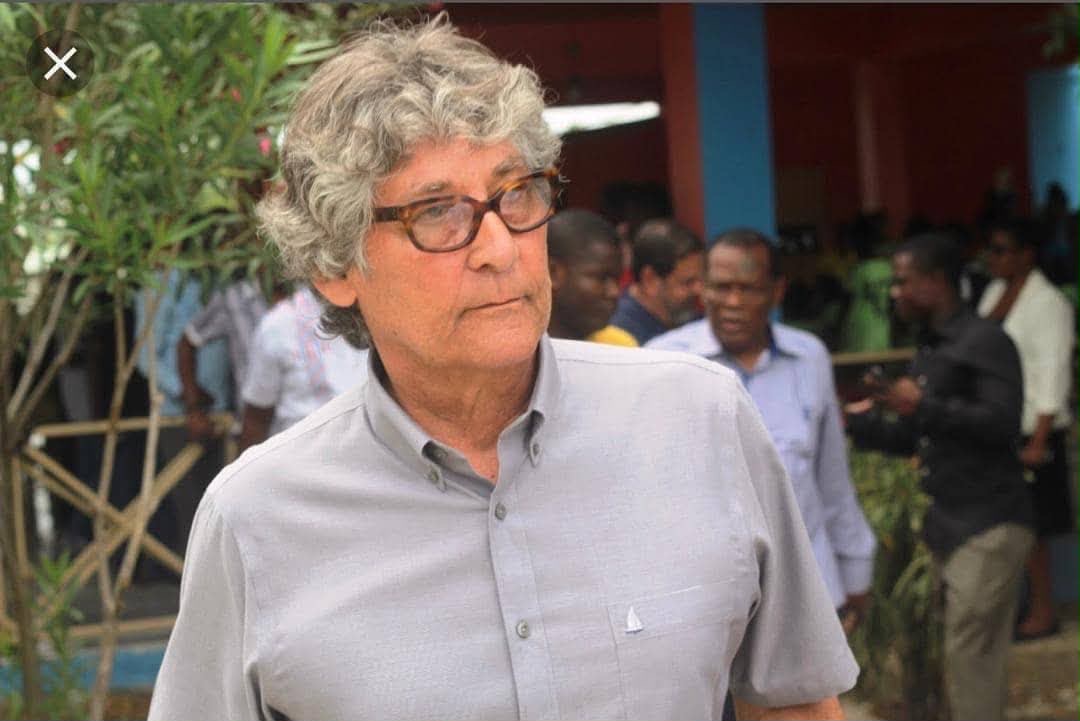
The Rector of Quisqueya University, Professor Jacky Lumarque•©️photo : DOF Communications
Port-au-Prince, February 4, 2026.- Faced with Haiti's growing vulnerability to climate shocks, Quisqueya University launched, this Wednesday, February 4, 2026, the CAFECLIMAT project. It is a scientific and educational initiative aimed at better understanding climate change and strengthening the resilience of the country. Coordinated by Dr.David Noncent and supported by the BRH Research and Development Fund, the project mobilizes researchers, students and institutional partners around the same goal: turning climate knowledge into an action tool.
University as a transformative actor
It is in this context that the commitment of Quisqueya University is built upon. With the official launch of the project, the Rector, Professor Jacky Lumarque, highlighted the university's strategic role in producing knowledge useful to society. In his view, in the face of environmental challenges, higher education must go beyond the mere transmission of knowledge to train citizens capable of understanding, analysing and acting.
CAFECLIMAT is thus a bridge between scientific research and society, focusing on the extension, training and active involvement of students.
Understanding the climate to anticipate crises
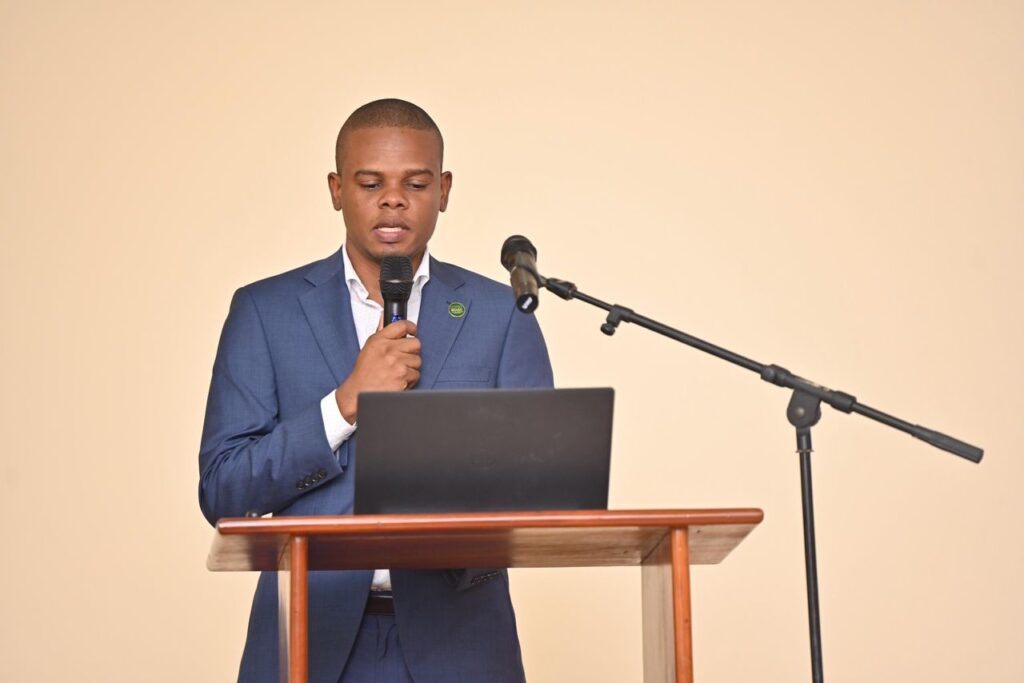
Speaking at the ceremony, Dr.David Noncent, project coordinator and member of the Climate Change Research Team (CRT2), provided a disturbing picture of the effects of climate change in Haiti. He referred to the disruption of agricultural seasons, the intensification of drought periods, the proliferation of crop diseases and accelerated land degradation; These phenomena undermine the livelihoods of the people.
For the researcher, these realities cannot be understood without looking at the climate of the past. Based on paleoclimatic data, he recalled that the Haitian territory has been experiencing a tendency for centuries to dry up, due in particular to variations in the intertropical convergence zone, a determining factor in the distribution of rains in the region. A fine knowledge of these dynamics, he stressed, is essential to better anticipate future crises.
Financial support anchored in national challenges
This academic effort is supported by the BRH Research and Development Fund. Representing the Bank of the Republic of Haiti, Jean Marie Cayemitte recalled that climate shocks have a direct impact on the national economy, affecting agriculture, food security and, ultimately, the financial stability of the country. By supporting CAFECLIMAT, BRH intends to contribute to the emergence of public policies based on credible scientific evidence.
Environment at the heart of national priorities
In the same spirit, the representative of the Ministry of the Environment, Mr. Godson Joas Preslet Vallon, in his address, recalled that Haiti is among the countries most exposed to the effects of climate change. For the authorities, investing in training and raising awareness among young people is a prerequisite for building a more resilient and sustainable society.
A dynamic open to international partners
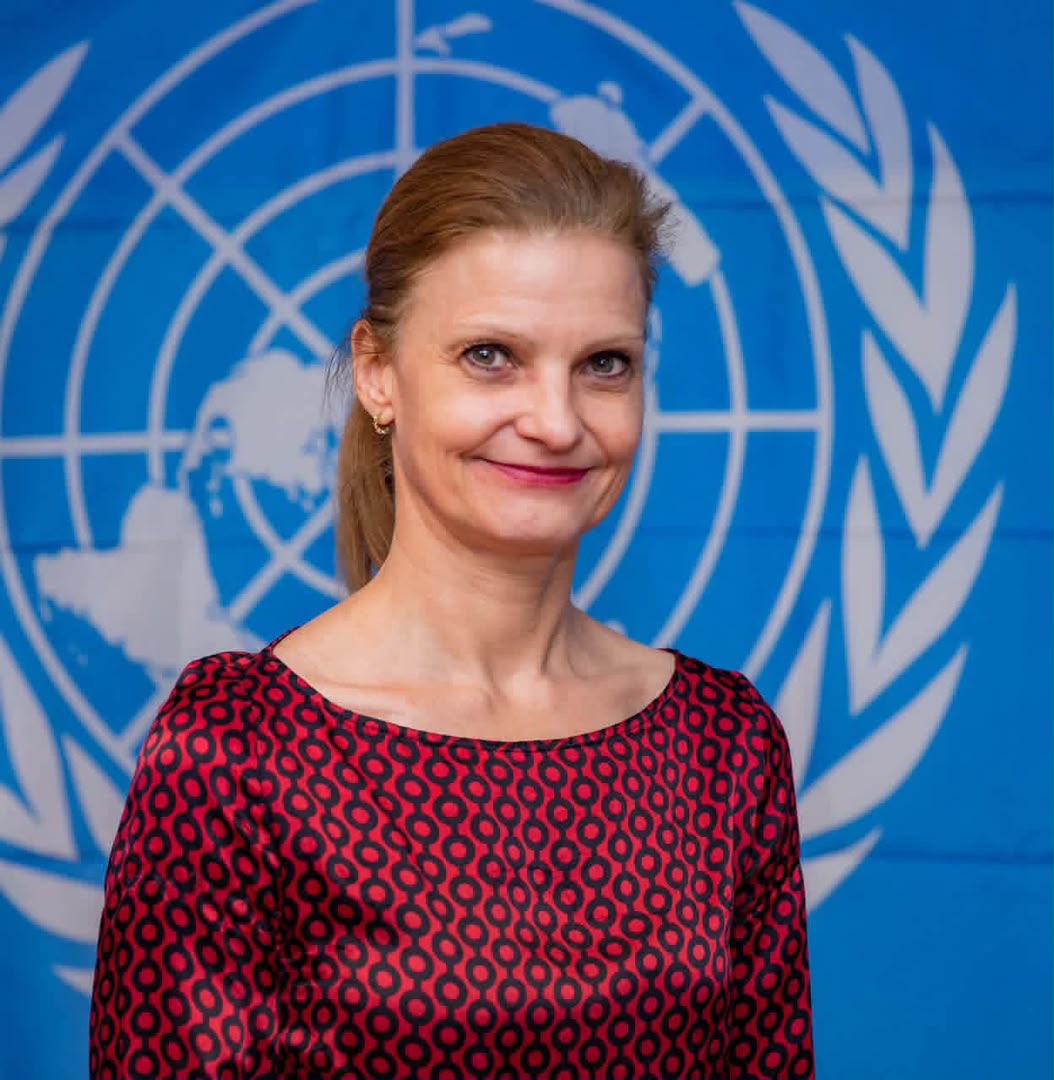
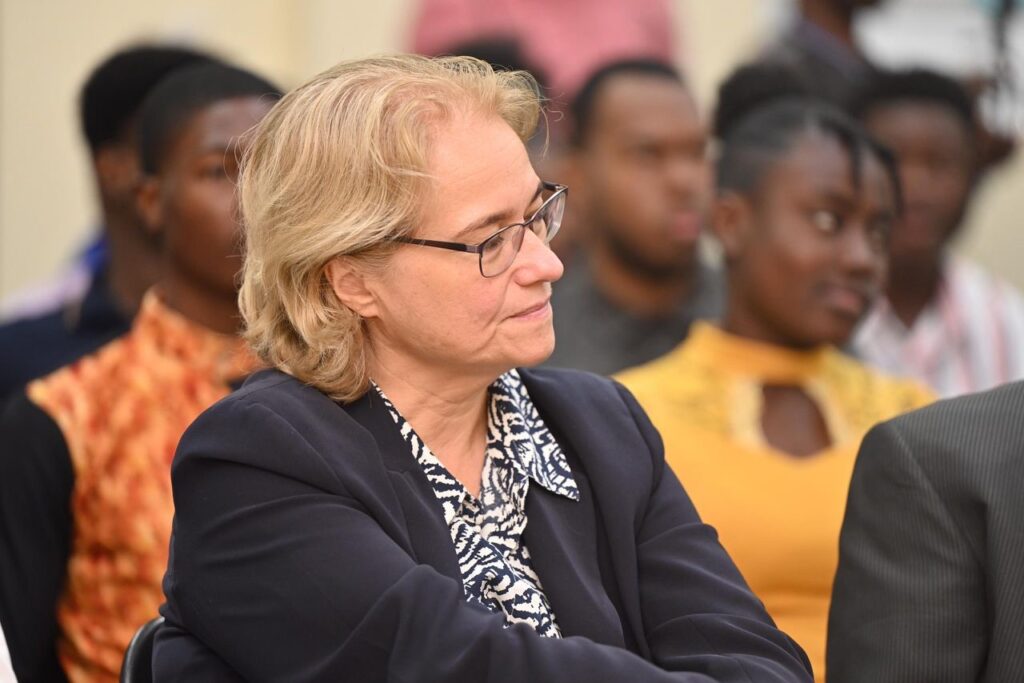
The initiative was also welcomed by the representative of the European Union in Haiti, Hélène Roos, who sees it as a concrete example of cooperation between research, youth and climate action. She stressed the importance of the role of students as key players in change.
An action-oriented project
Through research, awareness-raising and knowledge dissemination activities, CAFECLIMAT aims to create a permanent space for dialogue between science, public decision-making and civil society. An approach that aims to make understanding the climate no longer an academic luxury, but a real lever of adaptation and resilience for Haiti.



W.A.