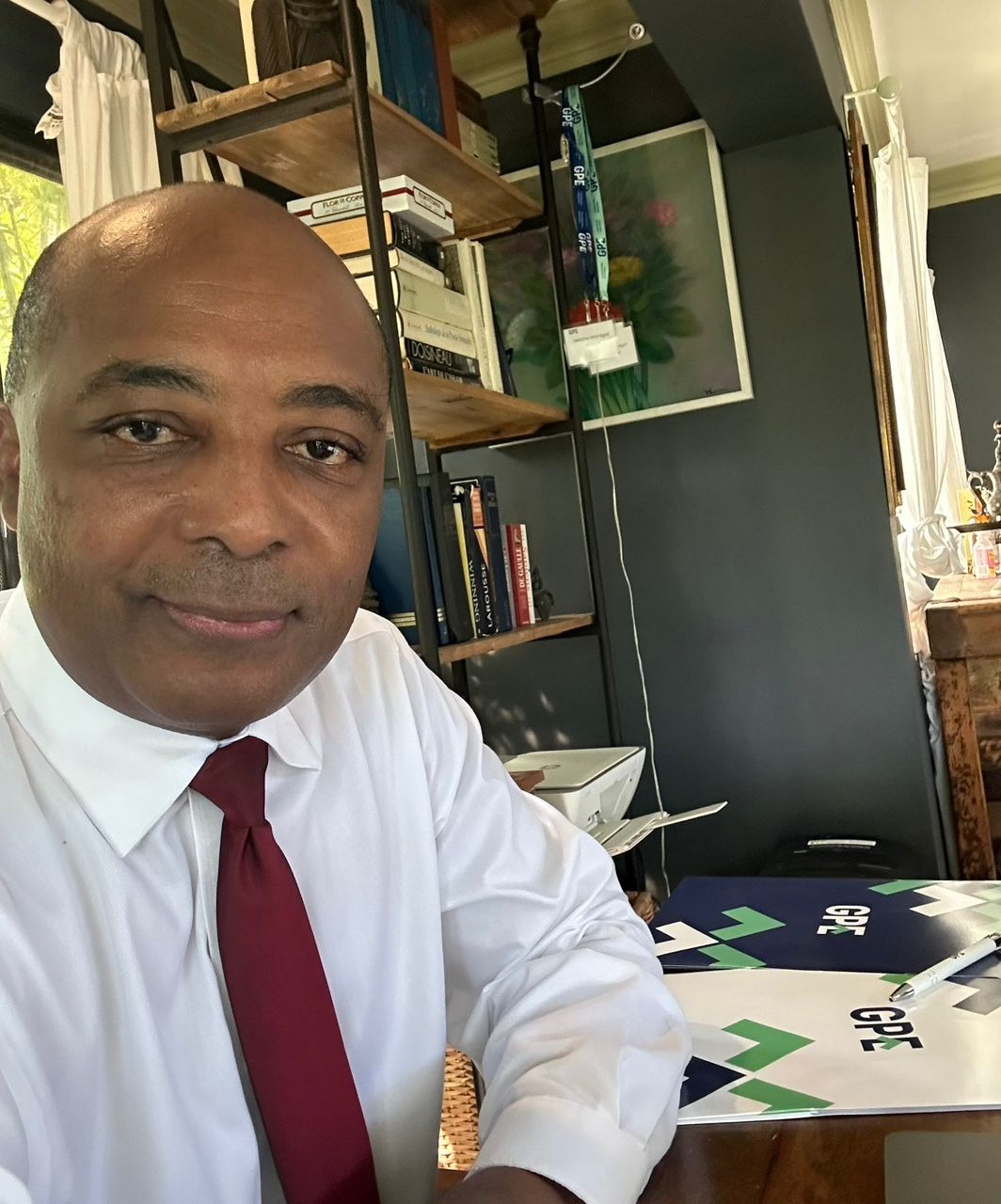
Port-au-Prince, le 16 septembre 2025.- Dans une vidéo diffusée sur les réseaux sociaux, l’ancien ministre de l’Éducation nationale, Nesmy Manigat, a apporté des réponses à quatre questions clés : la déclaration du ministre Augustin affirmant que « l’école est détruite « , la suppression des examens de Certificat et de Rhéto, la place du créole, et la réforme prévue par le curriculum 2024-2054.
This media outlet occurs in a context where education remains at the heart of criticism. For Nesmy Manigat, it is urgent to turn the page of the 20th century school and to build a 21st century school, better adapted to the realities of Haiti and global demands.
Sur la question « l’école est détruite « , il a salué l’introduction de quatre nouvelles disciplines : Éducation à la Citoyenneté, esthétique et arts, technologie et activités productives, éducation physique et sportive, qu’il considère comme le socle d’un modèle éducatif tourné vers l’engagement citoyen et la résolution des problèmes locaux.
With regard to the Certificate and Rheto examinations, he recalled that the 1987 Constitution set compulsory education at nine years. According to him, only one diploma must sanction this cycle, and evaluations must be used to measure the achievements, not to block students.
With regard to language, Manigat defended a multilingual approach: making Creole a tool for reflection and solution, while maintaining openness to other languages.
Finally, with regard to curriculum 2024-2054, he expressed satisfaction with the ongoing reforms, including the requirement for permits for schools and the establishment of a unique identification number for each student. He cited the Zile initiative of artist Anie Alert and Kans Technical High School as concrete examples of the new school, which must train both thinkers and actors.
For Nesmy Manigat, Haiti must « deconstruct » The old model and building a school centered on citizenship, innovation and local production. He calls for strengthening teacher training, teaching materials and infrastructure, stressing that transformation must come from Haiti itself, without waiting for external assistance.
R.J.