CP: The Newlist
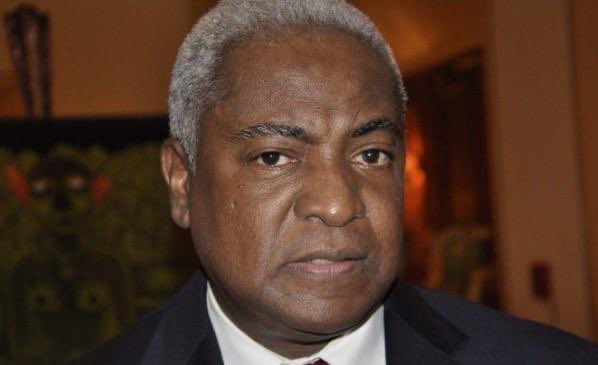
Port-au-Prince, April 20, 2026.- Invited this Monday, April 20, 2026 on Panel Magik, Edwin Paraison of the Zile Foundation analyzed the resumption of dialogue between Haiti and the Dominican Republic. While the announced reopening of airspace, particularly by 1 May, is a source of hope, many shadow zones persist, including visa, border security and bilateral cooperation mechanisms.
The resumption of the dialogue between Haiti and the Dominican Republic takes place in a historically tense context, marked recently by the militarization of the border decided by Dominican President Luis Abinader and the closure of the air, land and sea routes. According to Edwin Paraison, these measures have profoundly affected relations between the two countries, already weakened by migration and security disputes.
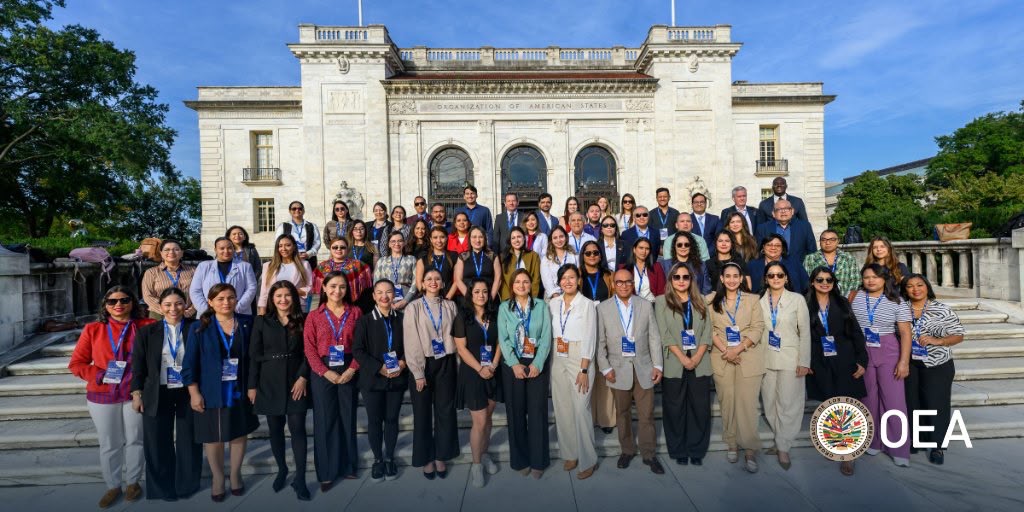
The former diplomat recalls, however, that attempts at rapprochement have existed, notably under the aegis of the Organization of American States (OAS), without lasting concrete results. In particular, he stressed the joint declaration of January 2021, which had been considered one of the most important in the last 40 years, laying the foundations for cooperation on several strategic axes: migration, security, energy and health.
Among the advances mentioned are the establishment of documentation programmes for Haitians living in Dominican territory, as well as infrastructure projects, including hospitals, along the border. The energy issue had also been addressed, with the idea for the Dominican Republic to supply electricity to Haiti.
However, these commitments have not been fully implemented. Paraison highlights several persistent blocking points: the management of migration flows, the return of Haitian nationals involved in criminal activities without clear identification, as well as tensions related to the denationalization of Dominicans of Haitian origin.
The issue of visas also remains at the heart of the concerns. Since 2023, restrictions imposed by the Dominican Republic have complicated the mobility of Haitians, including those with American, Canadian or Schengen visas. The lack of clarity on a possible resumption of consular services, particularly in Pétion-Ville, is fuelling uncertainty.
Despite these challenges, a positive signal emerges: the announced resumption of flights between Cap-Haitien and certain Dominican airports from 1 May. If precise destinations remain to be confirmed, Santiago or Punta Cana being mentioned, this decision could mark a first step towards a gradual normalization of relations.
For Edwin Paraison, this renewed dialogue must be accompanied by concrete and transparent measures. Without progress on migration, security and consular issues, rapprochement between the two countries may remain symbolic.
WA