©️photo : Direction Sanitaire des Nippes
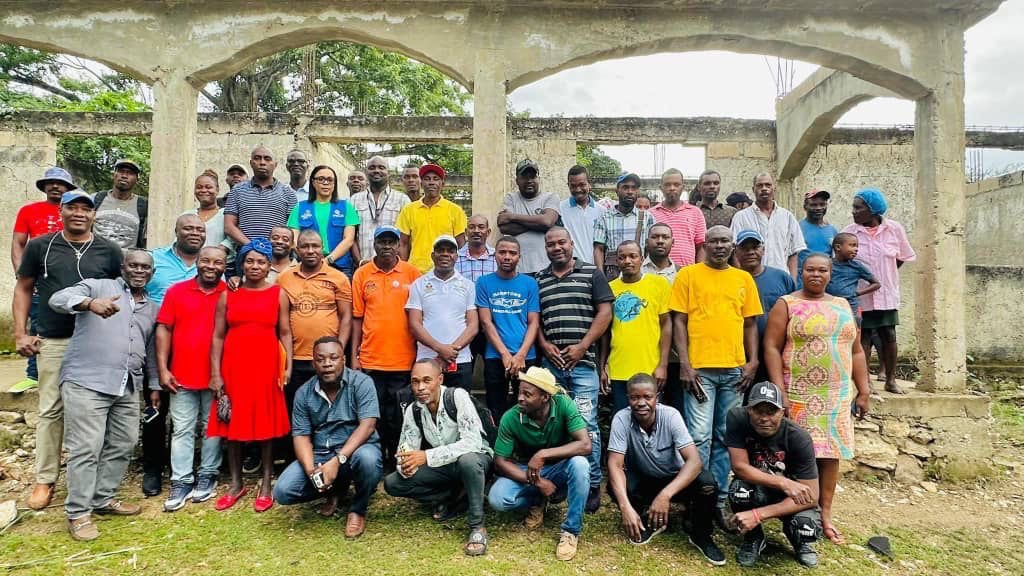
Nippes, January 31, 2026.- Blocked for more than twelve years, the project of construction of the Centre de santé de Lièvre, in the commune of Petit-Trou-de-Nippes, is officially relaunched. A community visit conducted on Thursday, January 29, 2025 by the Nippes Health Directorate, in the presence of local authorities, technical partners and the population, marks a major turning point for this rural community long deprived of community health services.
A health project relaunched in the Nippes
The Nippe Sanitary Directorate (NDNI), led by Dr. Esther Céus Dumont, visited the third communal section of Lièvre to officially launch the resumption of work at the health centre, which has been stopped for more than a decade. This approach is part of the interministerial policy of the Haitian government, carried out notably by the Ministry of Public Health and Population (MSPP), led by Dr. Sinal Bertrand, aimed at strengthening access to basic care in landlocked rural areas.
Local engagement and partner support
An exchange meeting was held between the DSNI, the municipal authorities, representatives of the World Bank, the Project Management Unit (PMU) and members of the community. Discussions focused on the remaining stages of the project, the implementation mechanisms and the community commitment needed to ensure the completion of the project. The future centre, located on an area of 41 hundredths of a hectare, will serve Lièvre and surrounding communities by providing essential basic health services.
A decisive plea for a long marginalized community
The commitment of the municipal magistrate, Wilnor Pierre, was unanimously welcomed. His constant advocacy with the MSPP, on behalf of the population of Lièvre, has contributed decisively to the revival of this project. In an area marked by geographical isolation and difficult road access, the resumption of work is seen as a relief and a new hope, symbolizing the renewed commitment of the State and its partners to bring health services closer to the most vulnerable populations.
W.A.